Data Brokers: What They Are and How to Protect Your Privacy
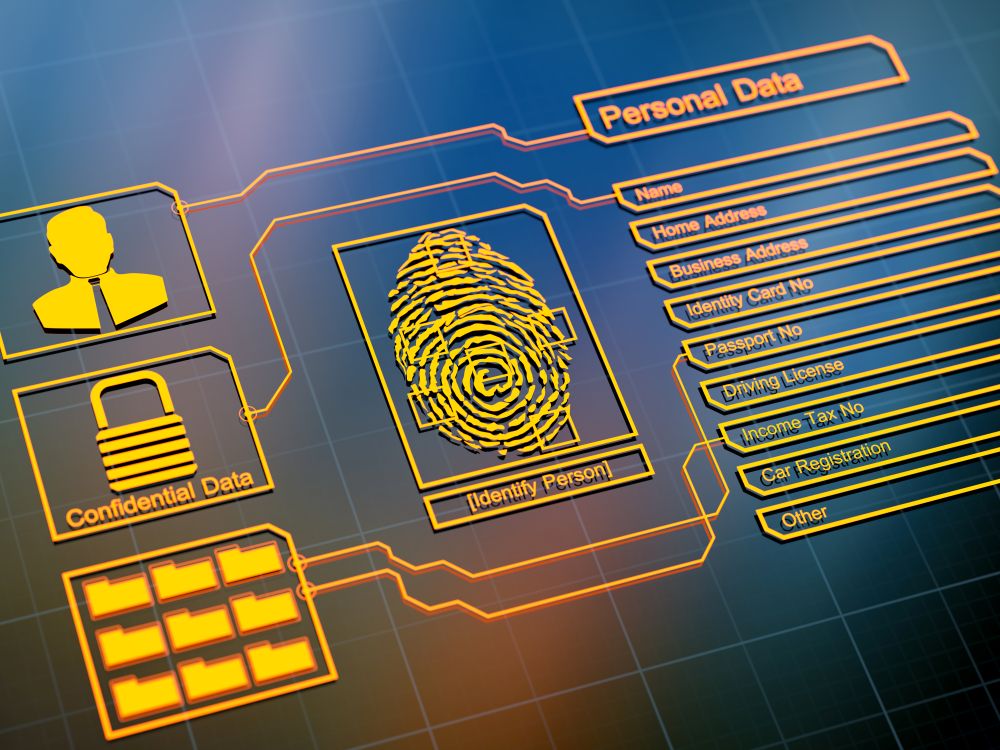
In today's digital age, your personal information has become a valuable commodity. Every time you shop online, sign up for a service, or even browse the web, you're leaving behind digital breadcrumbs that companies are eager to collect. At the center of this massive data collection ecosystem are entities known as data brokers – companies that make billions of dollars by harvesting, packaging, and selling your personal information to the highest bidder.
What are data brokers?
Data brokers are companies that specialize in collecting, processing, and selling personal information about consumers. Unlike the websites and apps you directly interact with, data brokers operate largely in the shadows, gathering information about you from hundreds of different sources without your explicit knowledge or consent.
These companies compile detailed profiles on millions of Americans, creating comprehensive profiles that can include everything from your shopping habits and political affiliations to your health conditions and financial status. They then sell this information to other businesses, marketers, employers, landlords, insurance companies, and even government agencies.
How data brokers collect your information
Data brokers use a variety of methods to gather personal information, often combining multiple sources to create detailed profiles. Their data collection methods include:
• Public records: Birth certificates, marriage licenses, property records, voter registrations, court documents, and professional licenses
• Online tracking: Website cookies, social media activity, search history, and browsing patterns
• Purchase data: Credit card transactions, loyalty program information, and online shopping behavior
• Survey responses: Information from surveys, contests, and questionnaires you've completed
• Mobile apps: Location data, app usage patterns, and device information
• Data partnerships: Information shared between companies and third-party data providers
The most concerning aspect of this data collection is that it happens continuously and often without your awareness. Every digital interaction you have potentially feeds into these vast databases.
The business model behind data brokerage
Data brokerage is a multi-billion-dollar industry built on a simple premise: information about consumers is extremely valuable to businesses trying to target their marketing, assess risk, or make decisions about customers.
Data brokers typically operate on several revenue models. They sell direct access to their databases, allowing companies to search for information about specific individuals or groups. They also provide lead generation services, helping businesses identify potential customers based on specific criteria. Additionally, many brokers offer identity verification and background check services to employers, landlords, and financial institutions.
The value of this data varies significantly depending on its type and accuracy. Basic demographic information might sell for pennies per record, while detailed financial or health information can command much higher prices.
How data brokers can harm you
While data brokers claim their services help businesses make better decisions and provide consumers with more relevant offers, the reality is that their practices can cause significant harm to individuals and families.
Privacy violations and surveillance
The most obvious harm from data brokers is the complete erosion of privacy. These companies create detailed profiles that can reveal intimate details about your life, from your health conditions and financial struggles to your political beliefs and personal relationships. This level of surveillance would be considered invasive if conducted by the government, yet private companies do it routinely and legally.
Identity theft and fraud
Data brokers create a treasure trove of personal information that becomes a prime target for criminals. When these databases are breached – and they frequently are – your sensitive information can end up in the hands of identity thieves and fraudsters. The more comprehensive the data, the easier it becomes for criminals to impersonate you or gain access to your accounts.
Discrimination and bias
The detailed profiles created by data brokers can be used to discriminate against individuals in employment, housing, insurance, and credit decisions. Even if the discrimination isn't intentional, the algorithms and scoring systems that rely on this data often perpetuate existing biases and create newforms of unfair treatment.
Financial manipulation
Data brokers can identify when you're in financial distress, going through major life changes, or experiencing emotional vulnerability. This information is then sold to companies that may use it to target you with predatory loans, expensive products, or services you don't need.
Why you should opt out of data brokers
Taking the time to opt out of data brokers offers several important benefits for protecting your privacy and security:
Enhanced privacy protection: Opting out reduces the amount of personal information available for sale and limits how companies can build profiles about you.
Reduced identity theft risk: Less available personal information means fewer opportunities for criminals to piece together enough details to steal your identity.
Decreased targeted manipulation: Without detailed profiles, companies will have a harder time targeting you with predatory offers or manipulative advertising.
Greater control over your information: Opting out is one of the few ways consumers can actively fight back against unauthorized data collection and sales.
How to opt out of data brokers
While data brokers try to make it hard for you to keep your data private from them, you can take some steps to protect yourself from their prying eyes. Check out these tips to keep your data a bit safer:
Follow up and maintain your privacy
Opting out isn't a one-time process. Data brokers often re-acquire information over time, so you'll need to:
• Set reminders to check and re-submit opt-out requests every 6-12 months.
• Monitor your online presence regularly to identify new data broker listings.
• Be more cautious about sharing personal information online and with companies.
• Use privacy-focused browsers and tools to limit future data collection.
Additional steps to protect your privacy
Beyond opting out of data brokers, consider implementing these additional privacy protection measures:
• Use privacy-focused search engines like DuckDuckGo instead of Google.
• Enable privacy settings on social media platforms and limit in formation sharing.
• Use a VPN to mask your internet activity and location.
• Regularly review and limit app permissions on your mobile devices.
• Be selective about loyalty programs and consider using alternate email addresses.
• Read privacy policies before signing up for new services or making purchases.
Streamline your privacy protection with IDShield
While manually opting out of data brokers is effective, it can be overwhelming and time-consuming to manage on your own. IDShield's Privacy Check feature offers a helpful solution that simplifies the entire process of protecting your personal information online.
Privacy Check helps to keep your data more secure by monitoring hundreds of data broker sites and people search engines for your personal information. Here are a few ways this feature can help protect you:
• Discovers where your info is stored on several top data broker sites.
• Helps remove your name, address, phone number and other details from databases.
• Quick scan reveals your personal info that anyone can find online.
• IDShield representatives can handle the removal process for you submitting opt-out requests and following up to ensure your information is actually deleted.
The service also provides regular reports showing you exactly where your information was found and what actions were taken to remove it, giving you complete visibility into your online privacy status. This level of monitoring would take dozens of hours to achieve on your own, but IDShield's automated approach makes it seamless.
The future of data privacy
The landscape of data privacy is rapidly evolving, with new regulations like the California Consumer Privacy Act (CCPA) and the European General Data Protection Regulation (GDPR) giving consumers more rights over their personal information. However, the data broker industry continues to find new ways to collect and monetize personal information.
As consumers become more aware of these practices, there's growing pressure for stronger federal privacy legislation in the United States. Until comprehensive laws are passed, individual action remains the most effective way to protect your personal information from data brokers.
Taking control of your data privacy requires ongoing effort, but the benefits – reduced risk of identity theft, less targeted manipulation, and greater peace of mind – make it worthwhile. Start with the biggest data brokers, use available tools to streamline the process, and remember that protecting your privacy is an ongoing commitment, not a one-time task.
Ready to take control of your privacy? Discover how IDShield's PrivacyCheck can help protect your personal information across hundreds of data broker sites. Learn more about privacy protection today.
IDShield is a trademark of Pre-Paid Legal Services, Inc. (“PPLSI”). PPLSI provides access to identity theft services through membership-based participation. IDShield is a product of PPLSI. Some of the services provided under the plan by third party providers are subject to change without notice. All Licensed Private Investigators are licensed in the state of Oklahoma. The information made available in this blog is meant to provide general information and is not intended to provide professional advice, render an opinion, or provide are commendation as to a specific matter. The blog post is not a substitute for competent and professional advice. Information contained in the blog may be provided by authors who could be third-party paid contributors. All information by authors is accepted in good faith; however, PPLSI makes no representation or warranty of any kind, express or implied, regarding the accuracy, adequacy, validity, reliability, availability, or completeness of such information. The Identity Theft Insurance is underwritten and administered by American Bankers Insurance Company of Florida, an Assurant company. PPLSI is not an insurance carrier. Please refer to the actual policies for terms, conditions, and exclusions of coverage. Coverage may not be available in all jurisdictions.
Related posts

October is National Cybersecurity Awareness Month

Adversary-in-the-Middle Scams: What They Are and How You Can Stay Safe